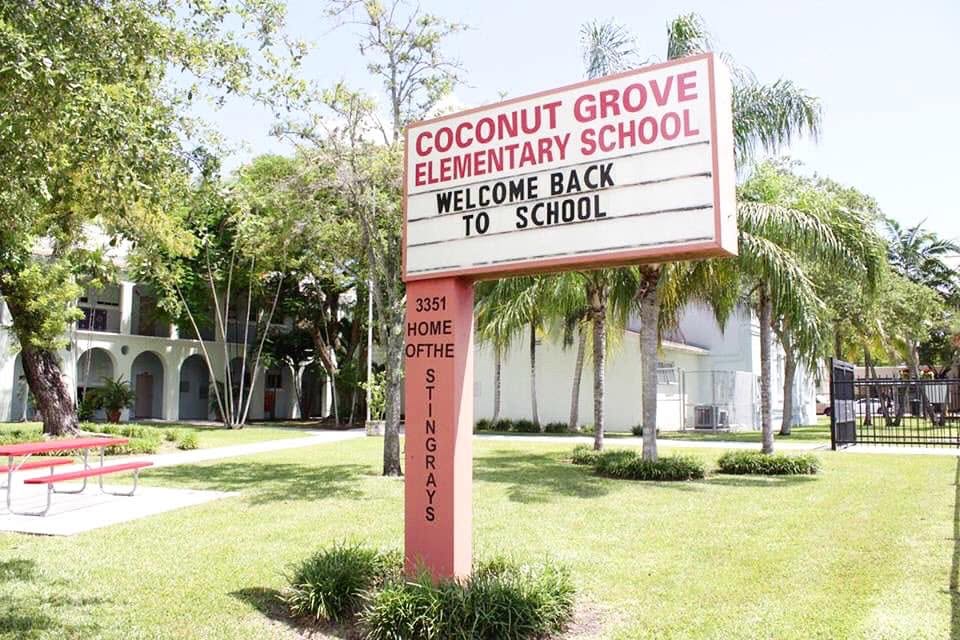
More than 100 students, parents, and teachers want Miami-Dade County Public Schools to stop installing artificial turf on school grounds, arguing the synthetic surfaces are dangerously hot for children across a district that includes South Dade campuses serving Palmetto Bay and Cutler Bay families.
The push comes as heat indexes spike. On Wednesday, July 8, the National Weather Service issued a heat advisory for Miami-Dade County from 11 a.m. to 6 p.m., with temperatures that felt like 106 to 108 degrees. Synthetic turf can run 48 to 90 degrees Fahrenheit hotter than natural grass, according to the group's letter to the board. During a 95-degree day, artificial turf can reach surface temperatures of 140 to 170 degrees, according to Penn State University's Center for Sports Surface Research and the Synthetic Turf Council's own published testing.
The letter was sent by Michele Drucker, president of Florida Green Schools, on behalf of the signatories. It asks the district to replace plastic turf with food forests, native plants, and real grass, citing the Education Fund's Food Forests for Schools program as a model already operating in Miami-Dade.
Three board members have acknowledged the letter: Joseph Geller of District 3, Luisa Santos of District 9, and Mari Tere Rojas of District 6. Geller's office told the Miami Herald it may propose a policy to pause new artificial turf installations while officials assess their impacts. Budget constraints mean the proposal would not include funding for the natural alternatives the group recommended.
A parent's experience
Paola de Carolis, an architect and former garden committee chair at her children's elementary school, told the Herald her daughter suffered burns after falling on artificial turf at a park when she was in fourth grade.
"It looked horrible," de Carolis said.
De Carolis had helped create a butterfly and edible garden on the school campus, but it became overgrown. School officials later told her the plants were a safety concern because they grew along a fence, and the garden was replaced with artificial turf. De Carolis said concerns about the surface were one reason she pulled her children from the school.
What experts say
Marco Schiavon, an assistant professor at the University of Florida's Fort Lauderdale Research and Education Center, told the Herald that synthetic turf contributes to the "urban heat island" effect that makes dense areas hotter than surrounding rural land. Real plants provide biodiversity, temperature reduction, and carbon capture that artificial surfaces cannot, Schiavon said.
What happens next
The School Board is on break for August, so any policy action would come no earlier than September 2026. No specific meeting date or vote has been scheduled.
District 9, represented by Luisa Santos, covers much of the Palmetto Bay and Cutler Bay area. Residents who want to weigh in can contact Santos' office or their School Board representative through the M-DCPS website.
.jpg)