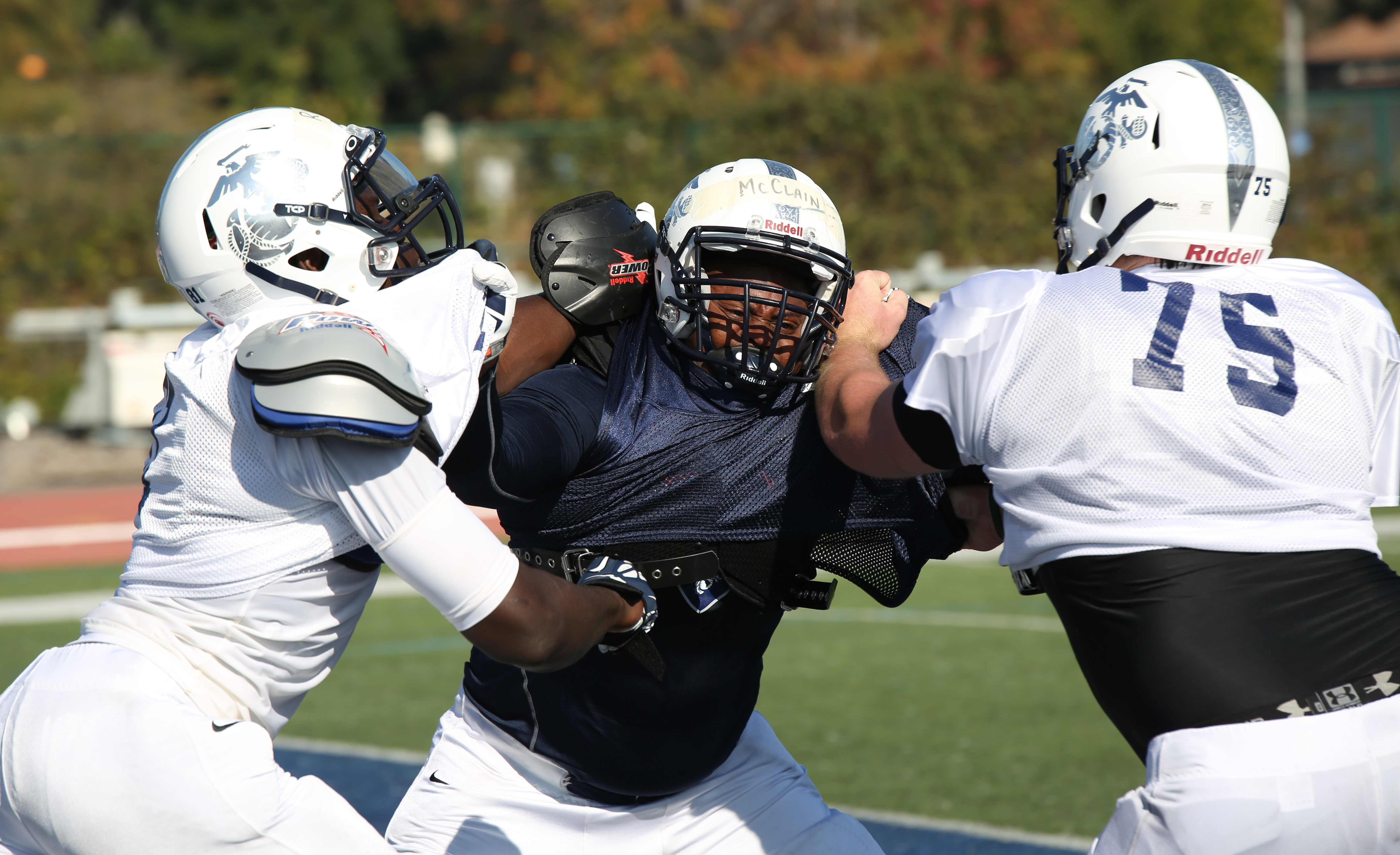
Student-athletes at Coral Reef Senior High and other Palmetto Bay and Cutler Bay schools cannot step onto a field, court or track for fall sports until they complete a required cardiac screening under a new state law that took effect Tuesday, July 1.
Florida's Second Chance Act (Senate Bill 1070) requires all incoming ninth-graders and any 10th- through 12th-grader who has never played an FHSAA-sanctioned sport to get an electrocardiogram (ECG) before tryouts, practices or games. Miami-Dade County Public Schools had already required the screening under a local policy; the state law now extends the mandate to every district in Florida. Florida is the first state to require ECGs for high school athletes.
Which student-athletes are required to get screened
The requirement covers every student trying out for an FHSAA sport for the first time. Returning athletes who already played a high school sport do not need a new ECG, though all athletes still need a current sports physical. Band, ROTC, dance and flagline students are exempt.
ECGs performed within two years of the 2026-27 school year also count, so a student screened as recently as fall 2024 may already be covered. Religious or medical exemptions are available with a physician's documentation.
Why heart screenings catch what physicals miss
Standard physicals catch only about 10% of hidden heart conditions, according to the nonprofit Who We Play For. An ECG raises that detection rate to roughly 94%. An estimated 1 in 300 young people has an undiagnosed heart condition that could lead to sudden death.
The law is named for Chance Gainer, an 18-year-old Port St. Joe High School football player who collapsed and died during a game on Friday, Sept. 6, 2024. His heart condition had gone undetected by a standard sports physical.
"Our main goal is to keep kids safe while playing sports," Dr. Michael Swartzon, a Baptist Health South Florida sports medicine physician who works with the Miami Dolphins and Florida Panthers, wrote in a Friday, July 24, Miami Herald column. "A few kids may have an abnormal result and need to see a specialist, but sometimes these are false alarms and those kids will be cleared to play."
Where South Florida families can get a free or low-cost ECG
State law caps the screening at $50. The test itself is painless, non-invasive and takes only a few minutes.
Nicklaus Children's Hospital is providing free ECG screenings throughout South Florida. Families can schedule at nicklauschildrens.org/EKG or call 855-624-3547. To coordinate a community screening event at a local school, email [email protected].
Baptist Health also offers free or low-cost screenings at area locations, according to Swartzon's column. Families can contact their pediatrician or reach Swartzon's office at [email protected] for referral information.
Nicklaus Children's has announced a free ECG Night on Monday, Aug. 10, from 4:30 to 7:30 p.m. A Palmetto Bay-area location has not been confirmed; check nicklauschildrens.org/EKG for updates.
Why families should book screenings well before Aug. 13
Miami-Dade County Public Schools opens the 2026-27 school year on Thursday, Aug. 13. No student can participate in tryouts, conditioning or competition without a completed ECG on file. Swartzon urged families to schedule the screening early: if a result comes back abnormal, the student is barred from all athletic activity until a physician submits written clearance to the school, a process that can take weeks.
Families looking for the latest on local screening events can check nicklauschildrens.org/EKG or contact their school's athletic department for scheduling details.




.jpg)