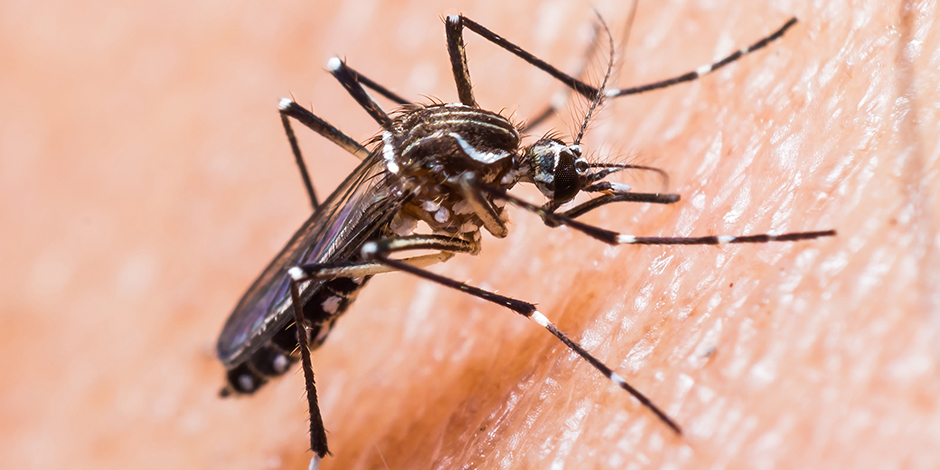
The Florida Department of Health in Miami-Dade County issued a formal mosquito-borne illness alert Monday, Aug. 3, after confirming the county's first locally acquired dengue case of 2026.
The alert activates coordinated surveillance and mosquito control operations across all of Miami-Dade, including Palmetto Bay and Cutler Bay, where the Aedes aegypti mosquitoes that carry dengue breed readily in residential yards. Miami-Dade County Mosquito Control is now conducting larvicide treatments, aerial and ground spraying, and public education campaigns, according to the DOH-Miami-Dade alert.
The case was confirmed Saturday, Aug. 1. The department has not disclosed where in the county the infected person lives.
Why the alert matters for South Florida residents
South Florida's peak mosquito season runs from mid-May through mid-October. Aedes aegypti breeds in tiny amounts of standing water: flower pots, clogged gutters, birdbaths, uncovered trash cans, even bottle caps.
Miami-Dade has been the state's most consistent dengue hotspot. The county recorded 25 locally acquired cases in 2025 and 139 in 2023, according to the Florida DOH Arbovirus Surveillance Report. Nationally, the Centers for Disease Control and Prevention has reported a 359% increase in U.S. dengue activity in 2026 compared with historical averages, IBTimes reported.
No vaccine is available for the general adult population in the United States. The only U.S. Food and Drug Administration-approved dengue vaccine, Dengvaxia, is restricted to children ages 9-16 with confirmed prior infection in endemic U.S. territories, and its manufacturer has announced plans to discontinue production in 2026.
Symptoms to watch for after a mosquito bite
Dengue presents as a flu-like illness with severe muscle aches, joint pain, fever and sometimes a rash. Unlike the flu, respiratory symptoms are usually absent. Symptoms appear within 14 days of a bite from an infected mosquito and typically last four days to a week.
The disease is not contagious person to person.
Anyone with symptoms should avoid aspirin and ibuprofen, which can worsen bleeding risk. Acetaminophen is the recommended fever reducer.
What residents should do to protect themselves
- Apply EPA-registered repellents containing DEET, picaridin, lemon eucalyptus oil or IR3535.
- Wear long sleeves and pants outdoors.
- Check that window and door screens are intact.
- Dump all standing water from planters, pool covers and outdoor containers.
- Report mosquito infestations by calling 311 or visiting miamidade.gov.
- Report dead birds to the Florida Fish and Wildlife Conservation Commission, as they can signal mosquito-borne viral activity.
Residents experiencing dengue symptoms can call DOH-Miami-Dade at 305-324-2400.


.jpg)