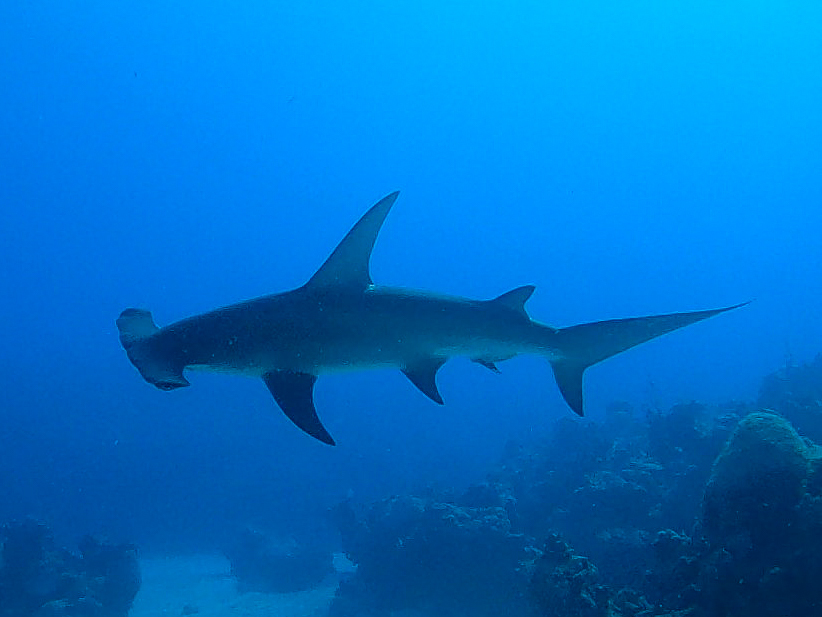
Biscayne Bay has landed on a global map of the most important places on Earth for threatened sharks and rays.
The International Union for Conservation of Nature (IUCN) added the bay to its new Shark and Ray Areas e-Atlas, a four-year project that mapped more than 1,000 critical habitats worldwide, as first reported by Miami New Times. The designation does not impose new fishing regulations or marine preserves. It does flag the bay's ecological importance at a time when large marina developments threaten its shallow waters.
For Palmetto Bay and Cutler Bay residents who boat, fish and paddle along the bay's western shore, the findings document what lives in the water just beyond Old Cutler Road: 13 shark and ray species, including eight on the IUCN's threatened list.
Catherine Macdonald, director of the Shark Research and Conservation Program at the University of Miami, spent nearly 10 years compiling the data behind the designation. Her team conducted ultrasounds on pregnant sharks, examined mating bite marks, launched drones over the 270-square-mile bay and collected blood samples and DNA.
The research documented 13 shark and ray species using Biscayne Bay as a nursery, feeding ground or gathering area. Among them: bull, tiger, blacktip and sandbar sharks, some pregnant or juvenile.
The standout finding is that Biscayne Bay is the only formally documented nursery for critically endangered great hammerhead sharks on the U.S. East Coast.
"We think about important habitats as being remote and protected from human influence. You know, pristine," Macdonald told WLRN on Sept. 29. "Biscayne Bay is Miami's backyard. But it's still critically important to a lot of different species of shark and ray."
The bay qualifies in every way. The bay's average depth of six feet is part of what makes it work. Larger predatory sharks avoid the shallows, giving juveniles a safer place to grow. Warm water and abundant food in the seagrass meadows and remnant reef complete the picture.
The designation arrives as development pressure builds around the bay. A proposed marina at the shuttered Seaquarium on Virginia Key would include slips for 325 boats and dry storage for 500 more, according to the Miami Herald. Nearly 90 slips could accommodate yachts over 80 feet long. Miami voters also face a separate November 2026 referendum on an $80 million redevelopment of the Rickenbacker and Marine Stadium marinas, Local 10 reported.
Macdonald told WLRN she hopes the IUCN recognition will motivate investments in habitat protection for the bay.
Residents can help protect the nursery habitat by limiting fertilizer and pesticide use during the rainy season, keeping garbage out of waterways and boating carefully to avoid tearing up seagrass beds.
Nearby waters also earned spots on the IUCN map. Whitewater Bay and waters from Ponce Inlet to west of Flamingo were designated as critical pupping grounds for endangered sawfish. Tavernier Key was identified as a rare refuge for white-spotted eagle rays.
Upcoming community events
- Sunday, Oct. 4 — Palmetto Bay Dog Bash and Farmers' Market
- Friday, Oct. 23 — Free Spooky Symphony concert in Cutler Bay, presented by the Moss Center



.jpg)