Florida's Board of Governors voted Sept. 3 to ban undocumented students from all 12 state universities starting in the 2027-28 academic year.
The rule bars anyone "present in the United States unlawfully" from initial enrollment and will require universities to verify citizenship or lawful presence before admission. The regulation specifies the restriction applies to universities that did not admit all academically qualified applicants during the previous two academic years. No source has clarified which schools, if any, might be exempt.
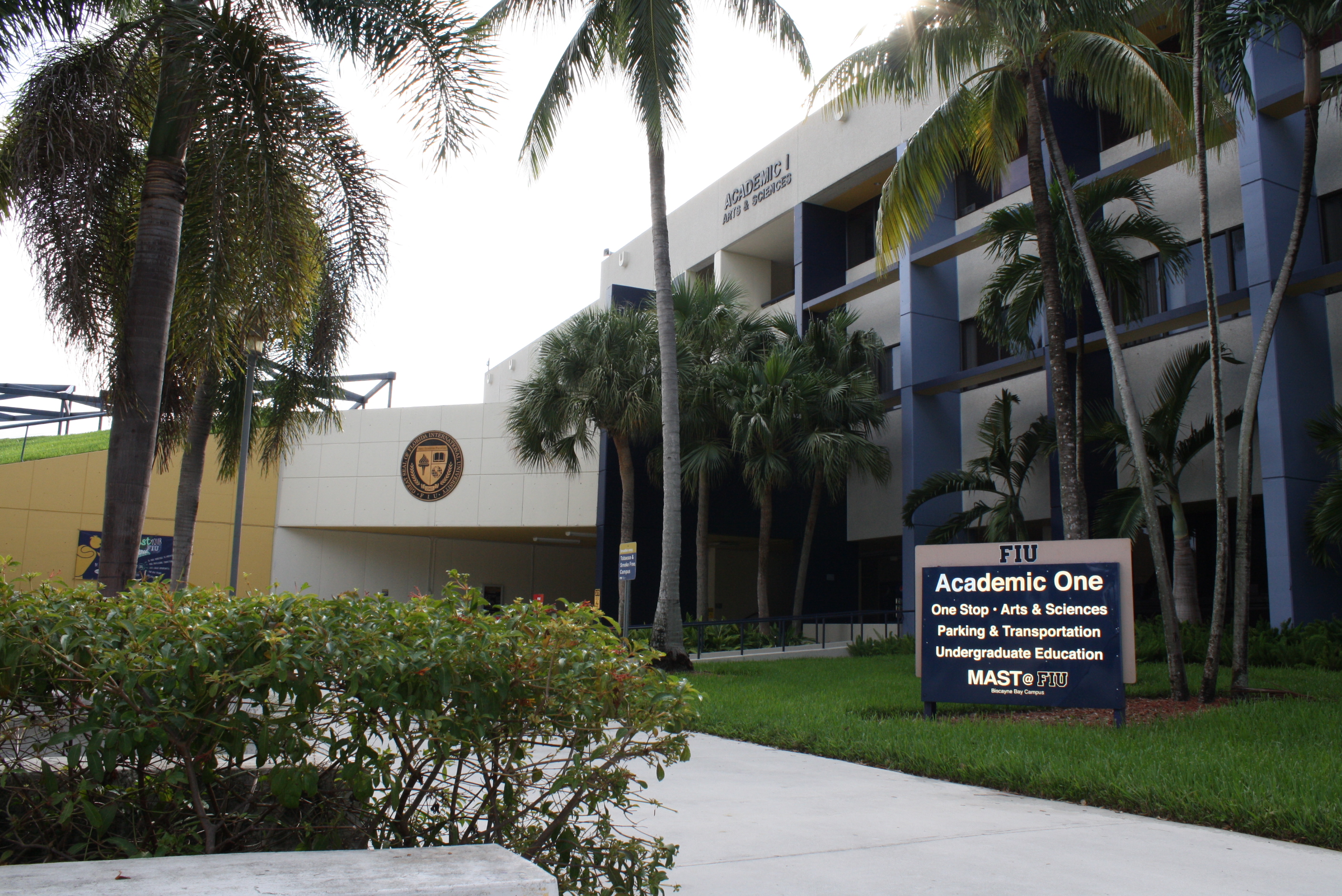
Florida International University, the closest state university to Palmetto Bay and Cutler Bay, is among the schools covered by the ban.
Board Approved Rule Unanimously Without Debate
The 17-member board approved the change unanimously and without debate as part of its consent agenda at a meeting at Florida Gulf Coast University, Florida Politics reported. Eight speakers used the public comment period to urge the board to reject the rule.
Board Chair Alan Levine limited discussion on action items "in the interest of expediency" after comments concluded, according to the Independent Florida Alligator. The meeting ended five minutes later.
Gov. Ron DeSantis appointed 14 of the board's 17 members.
Florida Becomes Fourth State to Adopt Such a Ban
An estimated 8,000 undocumented students graduate from Florida high schools each year, according to Caribbean National Weekly. No Miami-Dade-specific figures are publicly available. Students already enrolled at state universities will not be affected.
Florida is the fourth state to adopt such a ban, following Alabama, Georgia and South Carolina. It is the largest state to close publicly funded universities to undocumented students.
Education Advocates Warn of Economic and Human Costs
Andrew Spar, president of the Florida Education Association, spoke against the rule at the Sept. 3 meeting. "You'll hear people say, oh, these are criminals. They're not. These are students who, again, came here when they may have been infants and have known only the United States of America," Spar said, according to Gulf Coast News.
Robert Cassanello, president of the United Faculty of Florida, said the ban denies opportunity to students who completed K-12 in Florida. He warned that barred students could take their economic contributions to other states.
Lt. Gov. Jay Collins said on X after the vote that the rule was "common sense." Florida taxpayers should not be expected to subsidize opportunities for people who entered the country unlawfully, Collins said, according to NBC Miami.
University Ban Follows Restrictions on Colleges and Technical Programs
The university ban extends a series of restrictions. On June 30, the State Board of Education barred undocumented students from Florida's 28 public colleges and adult education programs, including those leading to a high school equivalency diploma. Education Commissioner Henry Mack separately approved a rule blocking access to postsecondary career and technical education, or CTE, programs that train students in fields including health care, construction and agriculture.
2014 Tuition Law Was Repealed in 2025
In 2025, DeSantis pushed lawmakers to repeal a 2014 law that had granted qualified undocumented students in-state tuition rates. The repeal took effect in July 2025. That original law had been sponsored by Jeanette Nuñez when she was a state House member. Nuñez later served as lieutenant governor and now leads FIU as its president.
K-12 Schools Remain Protected Under Supreme Court Precedent
The ban does not affect K-12 schools, which remain protected under the U.S. Supreme Court's 1982 Plyler v. Doe ruling. That decision held that denying public education to children based on immigration status violates the 14th Amendment.
The Board of Education is scheduled to discuss the CTE rule at a meeting on Sept. 16 at Polk State College.
.jpg)