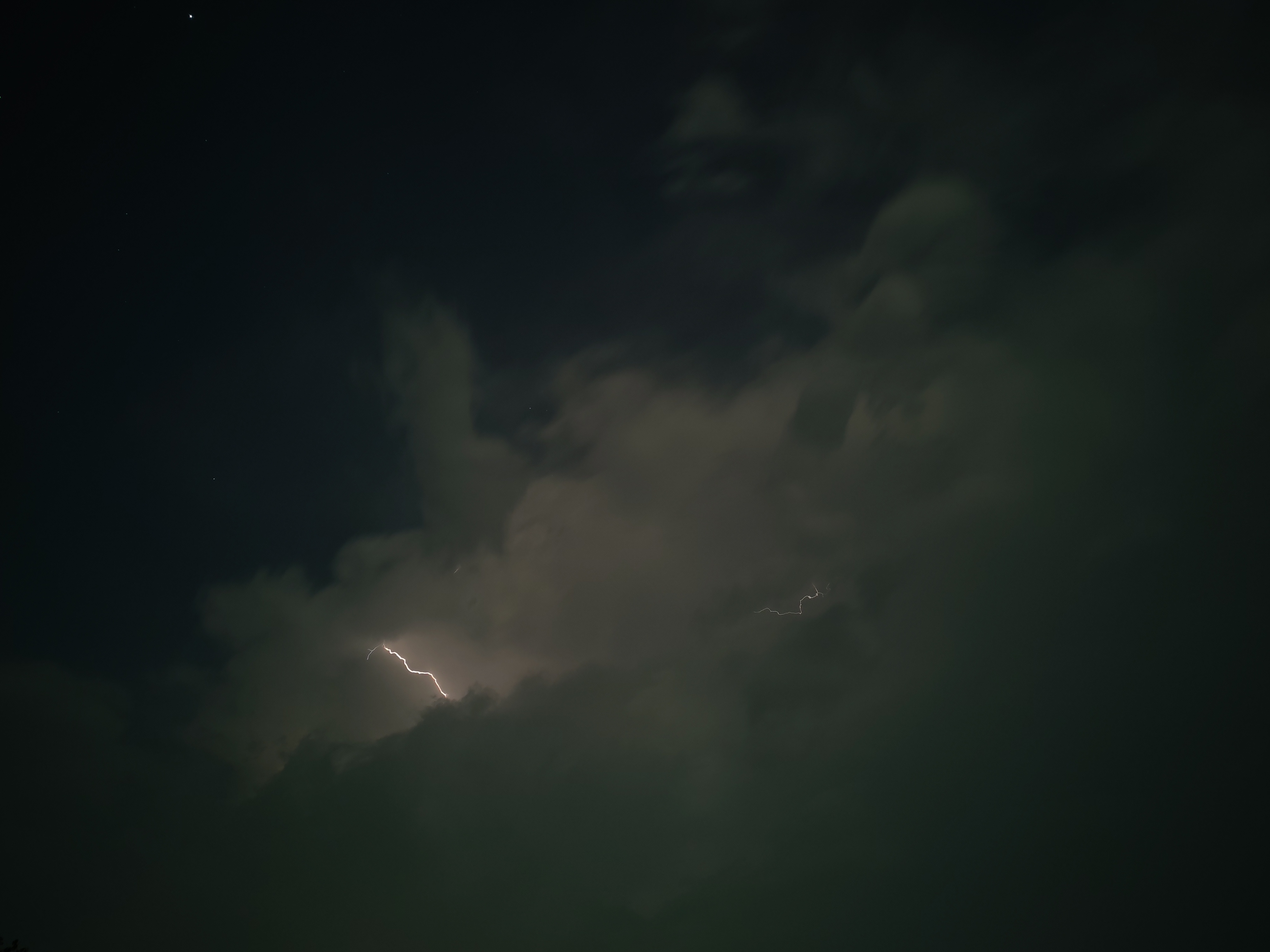
Lightning across the Miami area, including the Palmetto Bay and Cutler Bay corridor, struck 525% above average in the first half of September. Six Floridians had died from lightning strikes through mid-September 2026.
Chris Vagasky, a lightning data specialist with the National Lightning Safety Council, told the Miami Herald that within about 15 miles of Miami, lightning in July ran 288% above the 2016-2025 monthly average. August was 193% above average. The first half of September hit 525% above the norm.
May and June had been 40% to 60% below average for the area, Vagasky said. Then the pattern flipped.
"It's not anybody's imagination," Vagasky said. "There is a lot more lightning going on than there has been in recent years."
Deaths mount across the state
Six people have died from lightning in Florida in 2026, accounting for six of 15 lightning deaths nationwide, according to the Florida Public Radio Emergency Network. Florida has led the nation in lightning deaths since 2006, with 100 fatalities over that span, according to the National Lightning Safety Council.
Deputy struck outside fire headquarters
The danger hit close to home Sept. 3. Miami-Dade Sheriff's Office Sgt. Paul Villaverde was off duty outside Miami-Dade Fire Rescue headquarters in Doral when lightning struck his car at about 5:15 p.m., WPLG Local 10 reported. He was taken to HCA Florida Kendall Hospital in stable condition. The Miami Herald reported Sept. 17 that the sheriff's office said Villaverde is back to work.
Ana Torres-Vazquez, lead meteorologist at the National Weather Service's South Florida office, spoke to the Miami Herald on Sept. 4. South Florida has averaged about two lightning deaths and eight injuries a year over the past 30 years, she said.
About two-thirds of lightning deaths occur between noon and 6 p.m., according to WGCU.
Vagasky said warmer conditions may be driving the spike by increasing atmospheric instability, but the exact cause is not yet certain. Forecaster Nico Porcelli of the National Weather Service in Miami said that because 2026 is an El Niño year, thunderstorm activity could stay elevated into winter.
Rain and thunderstorms are likely through Tuesday, Sept. 22, according to the Miami Herald.
How to stay safe
The National Weather Service advises seeking shelter at the first sign of a thunderstorm and staying inside until 30 minutes after the last clap of thunder. Standing under a tree is the second-leading cause of lightning casualties, according to NBC 6 South Florida.
Indoors, avoid corded phones, devices plugged into the wall and contact with plumbing. In a car, keep windows rolled up and don't touch anything connected to the ignition or power outlets, Vagasky said. The metal exterior of a vehicle conducts electricity to the ground, making a hard-topped car the next-best shelter after a building.

.jpg)