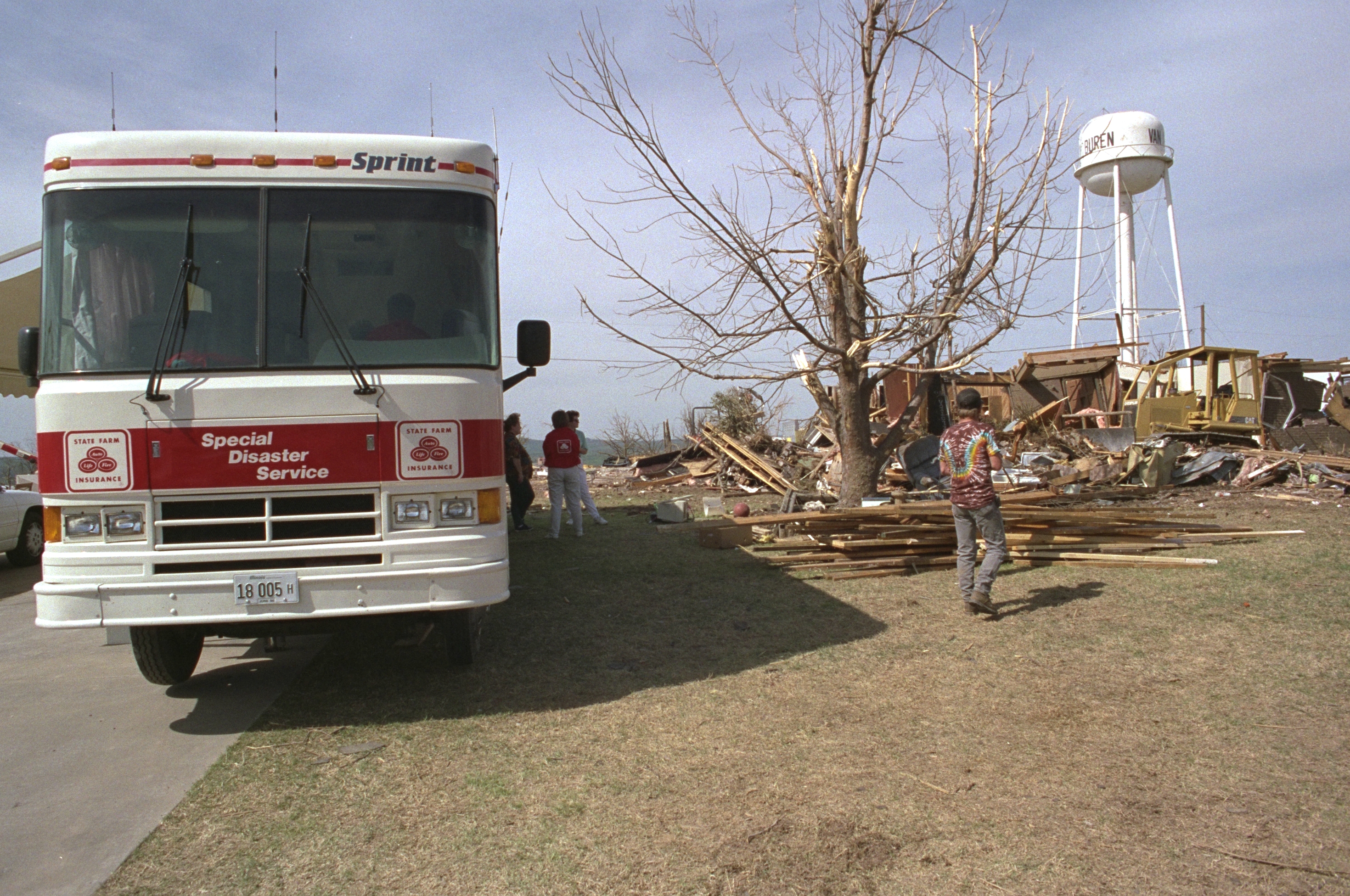
Peak hurricane season begins mid-August, and if your supply kit is still half-empty or you don't know your evacuation zone, fix both before the first storm spins up.
A practical guide published Aug. 4 by South Dade Spotlight consolidates Miami-Dade County's official recommendations into one checklist. Here's what Palmetto Bay and Cutler Bay residents need to do.
Look up your evacuation zone
Evacuation orders in Miami-Dade are issued by zone or partial zone, so knowing yours turns a stressful decision into a clear one. Use the county's Storm Surge Planning Zone Finder at miamidade.gov to check your address. When a storm threatens, the county posts affected zones on its website and through local media.
Two types of instructions exist: an evacuation recommendation for flood-prone areas or people needing extra time, and an evacuation order issued by the mayor for specific zones based on storm track and projected surge.
The county's preferred option is staying with family or friends inland. Hurricane evacuation centers are described as a shelter of last resort.
Stock a 7-day supply kit
Miami-Dade asks residents to have kits ready by June 1 each year. If yours is thin, catch up before mid-August. The county's list calls for one gallon of water per person per day (pets included), non-perishable food, a manual can opener, flashlight, battery-powered radio, first-aid kit, Type ABC fire extinguisher, cash, extra clothing, mosquito repellent and sunscreen (SPF 45 recommended).
Keep prescription medications, eyeglasses, contact solution and hearing aids together. Store birth certificates, Social Security cards, passports, insurance policies and bank statements in a waterproof container.
The county's Water and Sewer Department recommends filling jugs with tap water once a hurricane warning is announced rather than buying bottled water. In a May statement published in the South Dade News Leader, WASD Director Jay J. Fink said the department "has fuel and water treatment supply reserves to operate on auxiliary power at the County's three water plants with uninterrupted service for up to two weeks without supplemental deliveries."
Register for EEAP if you need evacuation help
The Emergency & Evacuation Assistance Program provides free specialized transportation, sheltering and post-disaster wellness calls to eligible residents. Pre-registered residents receive priority. The Village of Palmetto Bay's website confirms applications are available in English, Spanish and Creole.
Who qualifies: residents needing medical monitoring, help with daily living, or who rely on life-saving equipment requiring electricity. Nursing home and assisted living residents are not eligible because those facilities must maintain their own plans.
Register by calling 305-513-7700, TTY/TDD at 305-468-5402, or emailing [email protected].
Plan for pets
Miami-Dade Animal Services runs pet-friendly evacuation centers during emergencies. Pre-registration is not required, but a licensed veterinarian examines animals on arrival. Keep pets in a crate or carrier in the same safe room as your family during a storm, with collars and tags on. The county recommends microchipping because pets tend to lose collars in high winds.
Download the apps
Sign up for Miami-Dade Alerts and download the Ready Miami-Dade app before a storm arrives. The SAFE app (Storm Aides For Everyone) shows open evacuation centers, bus pickup locations and food and water distribution points once an evacuation order is issued. Miami-Dade Emergency Management can be reached at 305-468-5400.
After the storm: downed power lines first
The first priority after a storm passes is watching for downed power lines. Call FPL at 1-800-468-8243 and stay well away. Never try to move a tree resting on a power line because the wires may still be live.
The Town of Cutler Bay reminded its 45,000-plus residents on June 3 to review evacuation zones, gather supplies and sign up for county alerts. As we reported July 29, the quiet Atlantic through late July gave residents extra preparation time. The historical peak of hurricane season runs mid-August through late October.





.jpg)